Free: 96 PPC tools + my AI Playbook book
Built for surgical practices.

Why Plastic Surgery PPC Is Its Own Sport

A click from someone researching rhinoplasty costs real money, and they will read your page, two competitors’ pages, and a Reddit thread before anyone gets a phone call. Most practice campaigns are built as if the click is the finish line. It’s the starting gun.

The first problem is the price of attention. Procedures are high ticket, so every practice in your city is bidding on the same searches, and the clicks are priced accordingly. Comparison shopping across three or four practices is the norm, not the exception. An account that pays surgical-keyword prices for visitors and then loses them to a competitor with a better page is not underperforming. It is subsidizing your rivals’ research phase.

The second problem is policy. Google restricts some healthcare ad formats, which means tactics other industries lean on are simply not available to you. A campaign built by someone who learned PPC selling software will keep tripping over rules it never knew existed, and every disapproved ad is budget and momentum lost.

The third problem shows up after the click. A consultation that gets booked and never attended costs you the whole acquisition: the click, the page, the coordinator’s time, all of it. If your account measures page views or form fills instead of booked consultations, it will happily optimize toward people who were never going to sit in your waiting room.

And because the research cycle runs weeks, not minutes, the damage hides well. A dashboard full of clicks and a decent cost per click looks like progress right up until you ask how many of those visitors ever booked. The honest answer lives in search term reports, tracking setups and follow-up behavior, which is exactly where our free audit starts.

We published the step-by-step plastic surgery PPC playbook for practices that want to run this themselves - read it first if you’re deciding between DIY and hiring.

The work, in plain terms.

What We Do for Your Practice

We build one campaign per procedure, because the person searching for a tummy tuck and the person searching for eyelid surgery share nothing except your waiting room. Rhinoplasty and mommy makeover are different funnels with different economics, and a single lumped-together campaign forces Google to average them, which means your budget quietly drifts toward whichever procedure is cheapest to click, not the one you want more of.

Every engagement starts with a free audit of the account you already have: where the spend went, which search terms actually triggered your ads, and what your tracking counted as a result. Then tracking gets rebuilt around booked consultations and calls, because an account that cannot tell a consultation from a bounced visit has no business making bidding decisions.

The first month runs in a set order. Audit first, so decisions rest on your data instead of our assumptions. Tracking second, for the reason above. Then structure: campaigns split by procedure so budget flows to the lines you actually want to grow, whether that is rhinoplasty, breast augmentation or a facial rejuvenation line you are trying to build. Only when the account can see consultations do bids and budgets get aggressive.

Geography gets deliberate treatment, because a practice is a drive-radius business. We set campaign boundaries from where your consultations actually come from, not from a default radius someone clicked during setup. Negative keyword management runs continuously to keep the budget away from searches that never book: research-only queries, training and salary searches, and the procedure-curious with no intent to walk into an office.

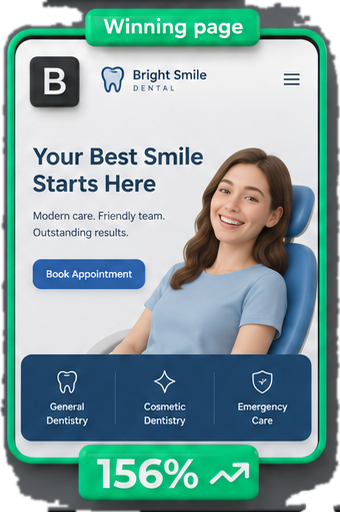
Because Google restricts some healthcare ad formats, we build accounts that do not depend on tactics policy can take away. Ad copy gets written for patients, then A/B tested against real search behavior. On the Advanced plan we also design landing pages per procedure, so the rhinoplasty click lands on a rhinoplasty page. Our med spa landing page teardown shows what converting aesthetics pages look like right now.

Competitor analysis rounds it out: which practices bid on your procedures, what their ads promise, and where their offer is beatable. Every month you get a report in plain numbers: what was spent, what it produced, and what changes next.

Priced flat, on purpose.

A Flat Fee That Never Scales With Spend

$2,000 a month on Starter, $4,000 on Advanced, and we never charge a percentage of ad spend - so we have no incentive to tell you to spend more.

The arithmetic in this vertical is unusual. A single high-ticket procedure can be worth more than a month of management fees. That is framing, not a promise: what it means in practice is that the bar the fee has to clear is low, and every consultation past it is margin.

Both packages, and everything they include, are on our PPC consulting page. The reviews just below this page are our clients in their own words.

Starter
$2,000 /month

Full Google Ads management: keyword research, negative keywords, ad copywriting and A/B testing, bidding strategy, conversion tracking and competitor reconnaissance.

Advanced
Most Popular
$4,000 /month

Everything in Starter, plus social ad platforms, unlimited ad creative design and unlimited landing page design.

FAQ

Doug Haines, PPC.io client
2000
traffic increase

Doug Haines

You need to get your paid channel working. The results with PPC.io have been amazing and the demand has outstripped what we can deliver.

David Dinsmore, PPC.io client
200
traffic increase

David Dinsmore

They've helped us consult on PPC efficiency for some of our billion-dollar clients. Next-level strategies.

Kathryn Wiley, PPC.io client
850
traffic increase

Kathryn Wiley

Helped scale my travel business to heights I never thought possible. I almost can't handle the number of new leads we're getting.

Arlene McCoy, PPC.io client
250
traffic increase

Arlene McCoy

Helped us massively scale our eCommerce store. Nothing but glowing praise for them - Highly recommended.