We build AI into how your agency works, then run it and keep it working every month. Client reports, search terms, call prep and pitch audits, done overnight on every account. $3,000 a month, flat, however many accounts you run.
Google gets paid at the click. You get paid after it.
Your team runs the accounts. Clients leave over what happens after the click: leads nobody tracked and sales nobody can prove. We build the call tracking, the CRM and the landing pages for your clients, under your name.
Google bids forBuyers
🔁 Every sale goes back to Google Ads
🎯 Google AdsPays for every click
📄 Your pageBuilt for that search
📞 The leadForm or call, tracked
🗂️ Your CRMEvery lead on one board
💰 The saleSent back to Google
🗂️ New leadTue 10:42
Lead
Phone call, 4m 12s ▶ Recording
Source
Google Ads, search
Keyword
office cleaning quote
Entered on
/pricing/ then /contact/
Type
Sales enquiry
Status
✓ Sold. Sent back to Google Ads.
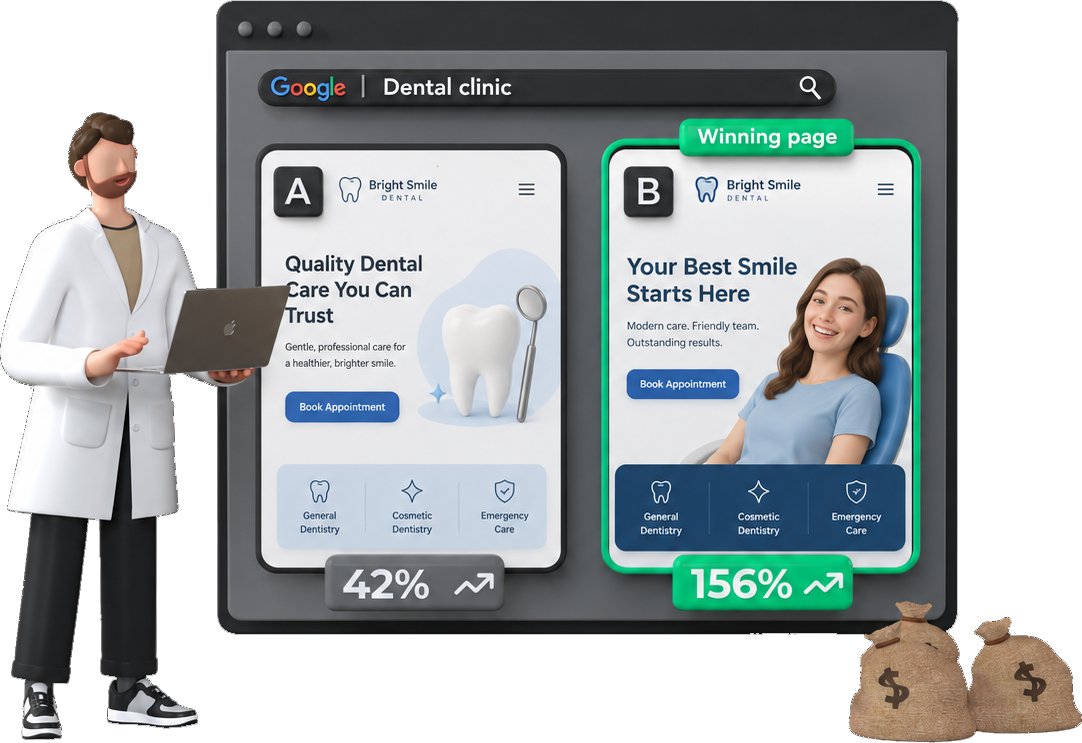
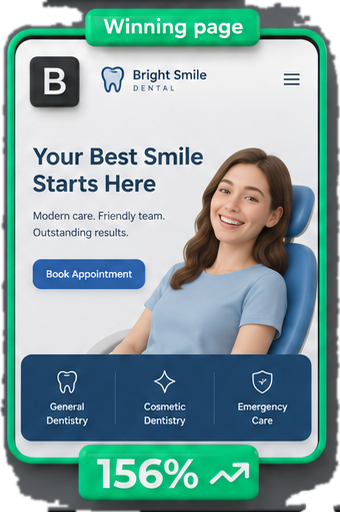
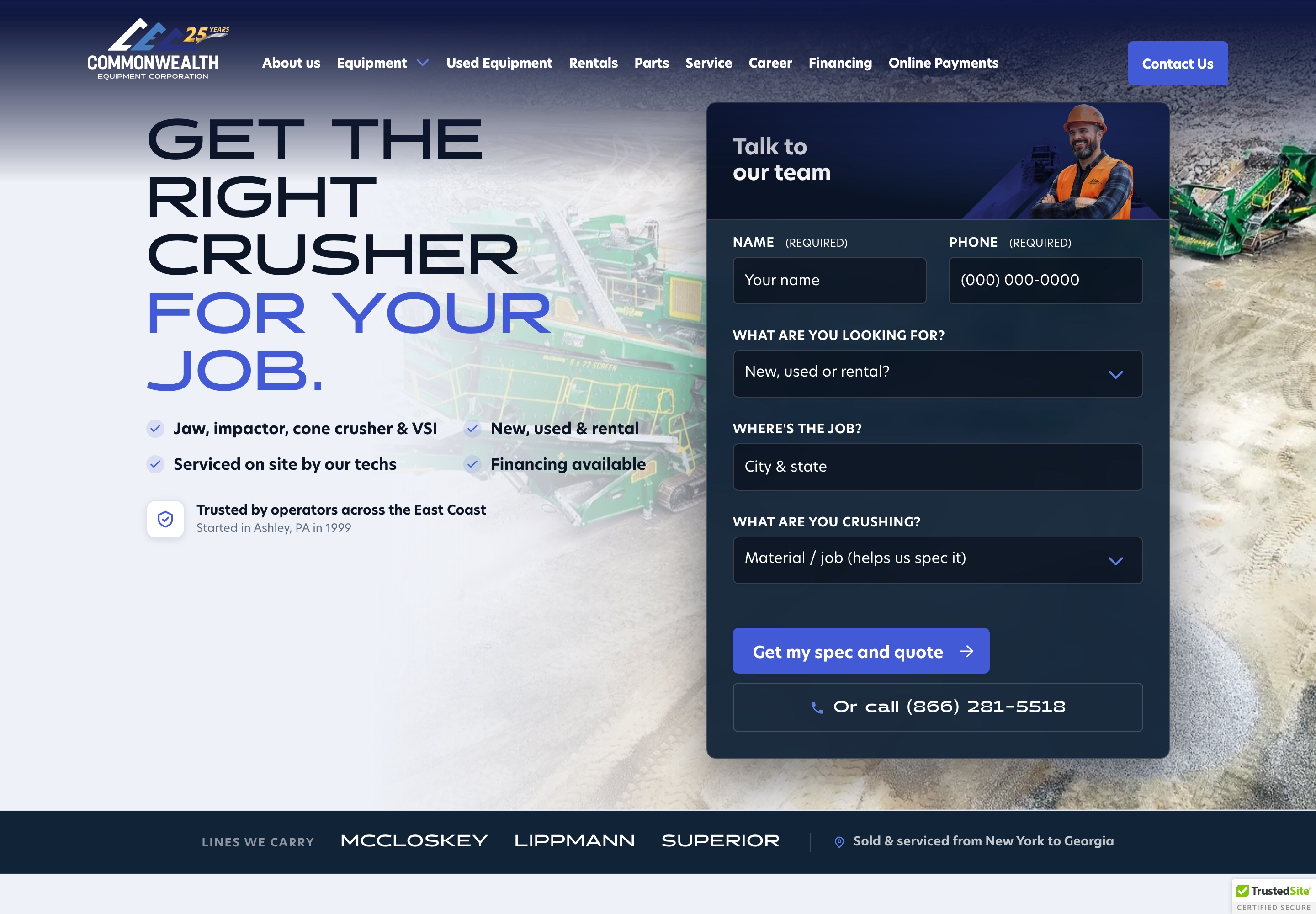
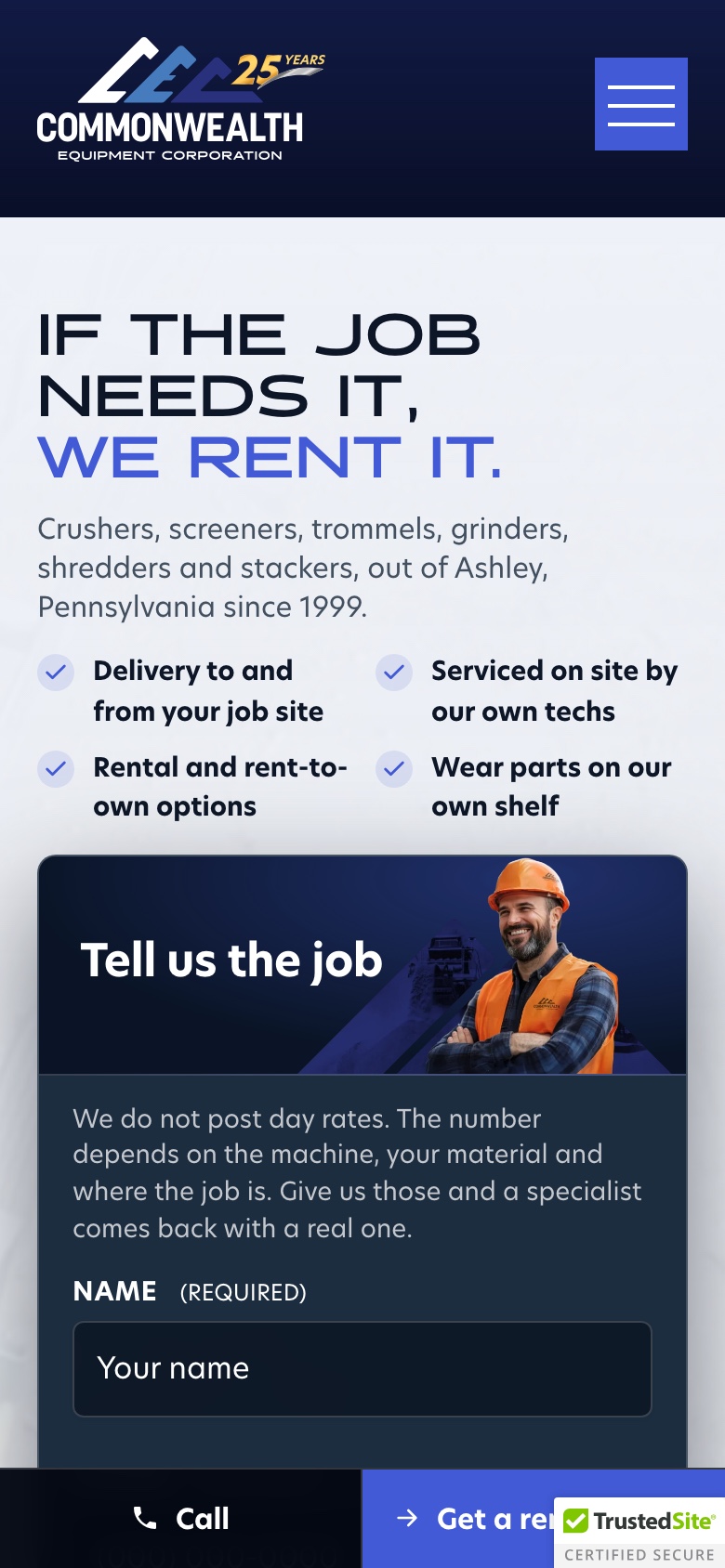
Landing pages that turn clicks into calls.
commonwealthequipment.com/crushers-lp-paid
Commonwealth EquipmentTwo paid pages, built in their own WordPress, summer 2026
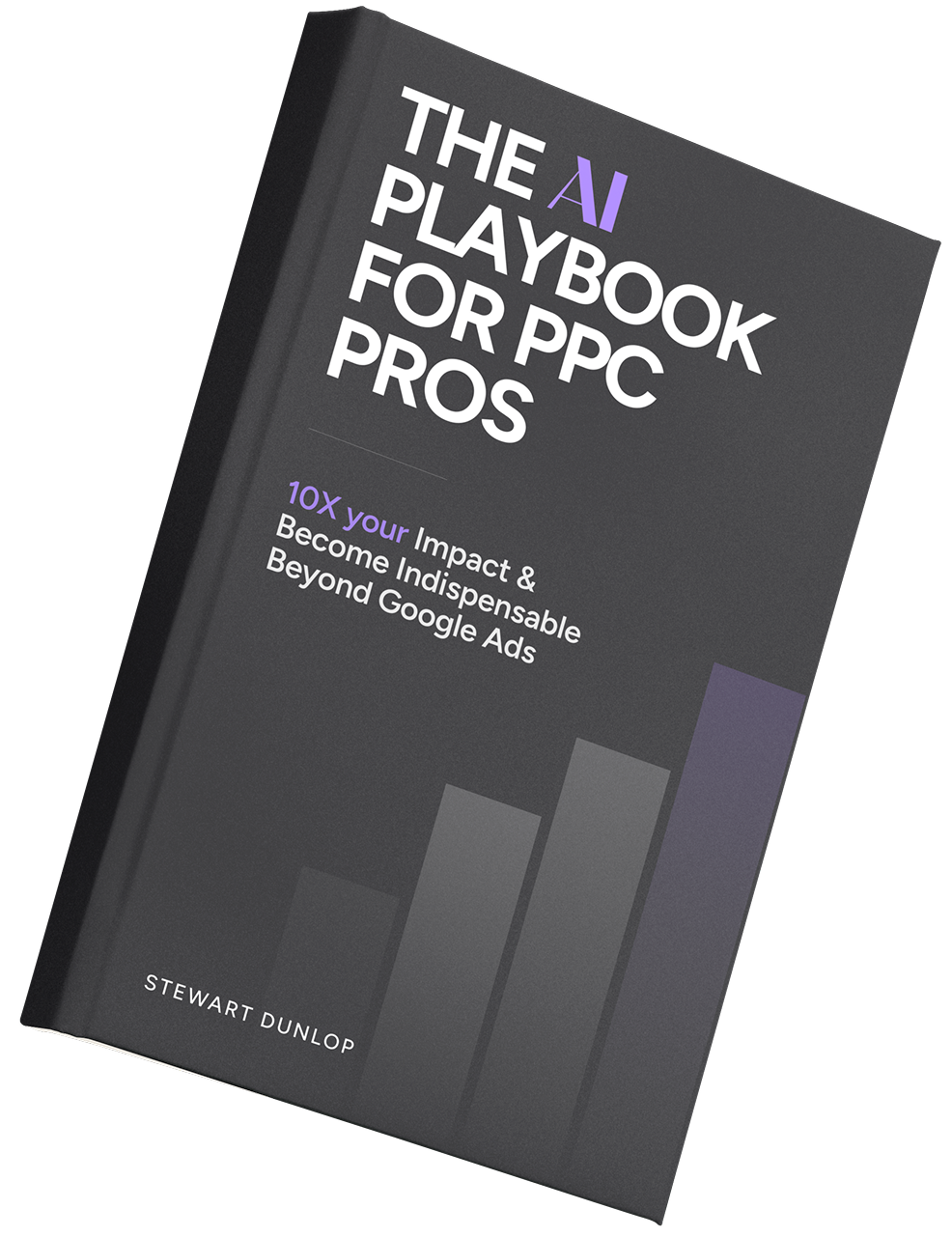
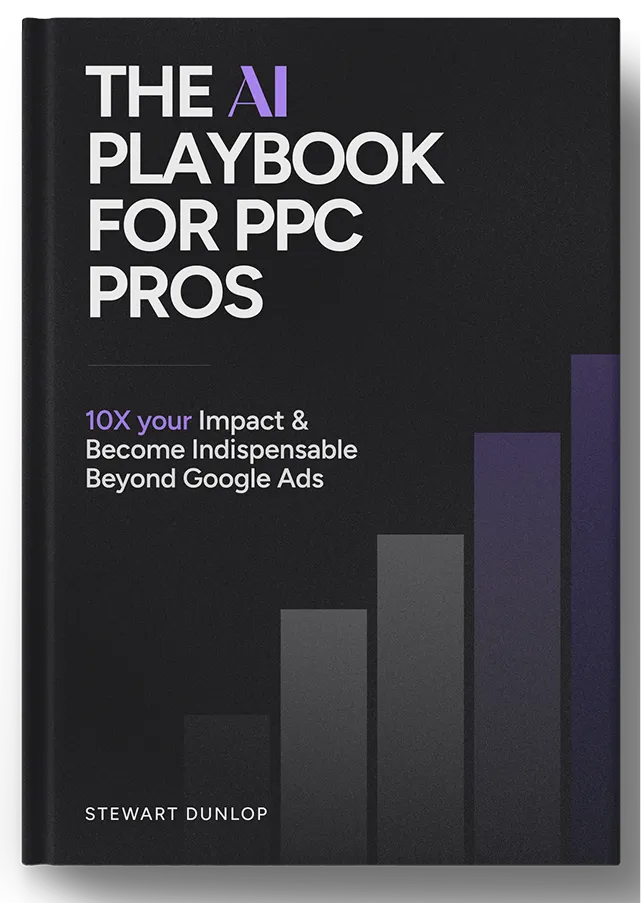
I wrote the playbook. We run it for you.
Five steps from my book, run for your clients by people who have run an agency. No weekends lost to vibe coding, and no junior builds that break.
“This isn't theory - it's a practical blueprint from someone who's actually scaled a $600K/month agency using
these exact strategies.”
Both run other people's ad accounts for a living. Both asked us to take the repeated work off their desks. This
is what we shipped.
Google Ads agency · 24 accounts, most of them ecommerce
Evergreen Ads
The problem
Five or six client calls a day, every day. The work promised on those calls piled up, the weekly reports were typed by hand, and competitor analysis kept slipping.
What we built
A Claude Code workspace connected to his Google Ads manager account, with one brain file that knows every account.
Client reports that build themselves from live data each morning and publish to a link each client keeps.
A post-call processor that turns call transcripts into tasks, and a landing page kit so pages get built without him on every revision.
What changed
Five weekly client reports now build in about 26 seconds, from live data, with nobody starting them.
Paid ads agency · Google Ads and paid social
Lemonade
The problem
Auditing a prospect was a two-step job before a sales presentation could go out.
What we built
A workspace connected to their Google Ads manager account, with Python tools for account deep dives, search term waste, disapproved ads, quality scores, budgets and conversion tracking.
Skills for a strategic audit, an account health check, a landing page audit and a pre-sale prospect audit.
A landing page report generator that takes the screenshots, fills a branded template and outputs an A4 PDF.
What changed
They run the audits themselves now, from a packaged handoff with setup steps and a fill-in prompt.
100+ clients HelloFresh Udemy Sold in 2023
You work with me.
“Great PPC campaigns don’t end at the click. They start at the click.”
I built a successful agency, scaled it to 100+ clients including HelloFresh and Udemy, then sold it.
Stewart DunlopFounder, PPC.io. Author of The AI Playbook for PPC Pros
★★★★★
We’ve seen impressive growth in consumer-intent keywords!
Brandon Monroe Lemonade.io
★★★★★
Easy to work with and communication was great!
Eric Hung Lemonade.io
★★★★★
Nothing but glowing praise for them - Highly recommended.
Joe Terrel Paid Ads Specialist
$3,000 a month. Whatever you spend.
a month
$5,000$200,000
An agency at
$7,500
Goes up every time your budget does
PPC.io$3,000
Never moves, whatever you spend
You keep $4,500 a month.
$54,000 a year.At this spend, a percentage costs less. It grows with every dollar you add.
Another software login for your teamThis is hands-on help, not an app
Questions
Is AI going to run my ads?
Stewart
No. It does the button-clicking: the data pulls, the checks and the first drafts.
Every change that spends money is approved by you or by me.
Do you run the account too?
For brands, yes. My team and I run the whole account day to day, and we build AI systems around it for how you sell. Agencies keep their client accounts, and we build and run the AI for their team.
Can you fix our tracking and CRM?
Yes, and it is usually the first job. Every form and every call lands in one CRM board with the ad click it came from, and the sales go back into Google Ads. Without that, Google bids for form fills, not sales.
What AI do you actually use?
Claude Code, connected to your Google Ads manager account through the API, plus the tools you already pay for. The workspace I built for Evergreen has one brain file that knows every account.
What do you need from us to start?
Read access to the ad accounts, a seat in your Slack and a list of what eats your team’s week. We pick the first job on the first call.
Why a flat fee?
Google will never tell you to pause a campaign or reduce spend, and an agency paid a percentage of your spend has the same problem. A flat fee means I only keep your account by growing your profit, not your budget.
Who owns what you build?
You do. It lives in your accounts and your tools, and if we stop, all of it stays where it is.
Why not build it ourselves?
You can, if someone on your team owns both the PPC and the code. The first prototype is the easy part, and keeping it working when an account or an API changes is where most of them die.
We only need landing pages.
Then start with Postclick from $39 a month, or we build them as a project. Tell me how many on the call and I will quote it.
Tell me what your team repeats.I will show you what goes first.
Book 30 minutes and I will tell you which job I would automate first across your accounts, how long it takes, and whether $3,000 a month makes sense
for you. If it does not, I will say so on the call.
 Our AI Tools