 Our AI Tools






114 Free PPC Tools. Growing Weekly.


Free PPC
Toolkit
Production-ready prompts, scripts, frameworks and AI agents for Google Ads professionals. No payment required.
Production-ready prompts, scripts, frameworks and AI agents for Google Ads professionals. No payment required.

The team has tried every platform lever and CPA still will not move. Usually that means the broken layer is two or three steps away from where everyone is looking, sitting in the offer, the tracking, or the landing page. This is the map I use to find which layer to fix before touching any platform setting.
Paid media performance is produced by 8 layers. Most teams spend 90% of their time at Layer 4 when the broken layer is at 1, 2, 3, or 5.
| # | Layer | Inside ad platform? | Owns this when broken |
|---|---|---|---|
| 1 | Strategy Foundation (offer, audience, unit economics) | No | Founder / leadership (buyer-persona-builder, unit-economics-translator, offer-audit) |
| 2 | Measurement Foundation (tracking, attribution) | No | Analytics (measurement-playbook, conversion-tracking-audit) |
| 3 | First-Party Data (lists, offline conversions, signals) | No | CRM / sales ops |
| 4 | Platform Levers (campaigns, keywords, bids, creative) | Yes | PPC team (ppc-strategic-audit, account-auditing-playbook, bidding-strategy-playbook) |
| 5 | Conversion Engine (landing pages, friction, trust) | No | Web / CRO (landing-page-quick-audit, cro-sally, alignment-chain-playbook) |
| 6 | Experimentation (controlled tests, incrementality) | Partly | PPC + analytics (ppc-experiment-finder, ab-testing-statistical-significance) |
| 7 | External Context (competition, demand, seasonality) | No | None (read it, factor it in) |
| 8 | Business Outcomes (revenue, profit, LTV, not ROAS) | No | Finance |
Ask each question in order. Stop at the first NO and fix that layer before touching anything below.
| Layer | Question | If broken |
|---|---|---|
| 1 | Does the offer convert across multiple traffic sources? | The offer is the problem, not the channel |
| 2 | Is platform variance vs CRM under 15%? | Fix tracking before any optimization |
| 3 | Are lists, offline conversions, value-based bidding active? | There is a performance ceiling Layer 4 cannot break |
| 4 | Is structure clean, are negatives current, is bidding right? | Optimize here, then re-test |
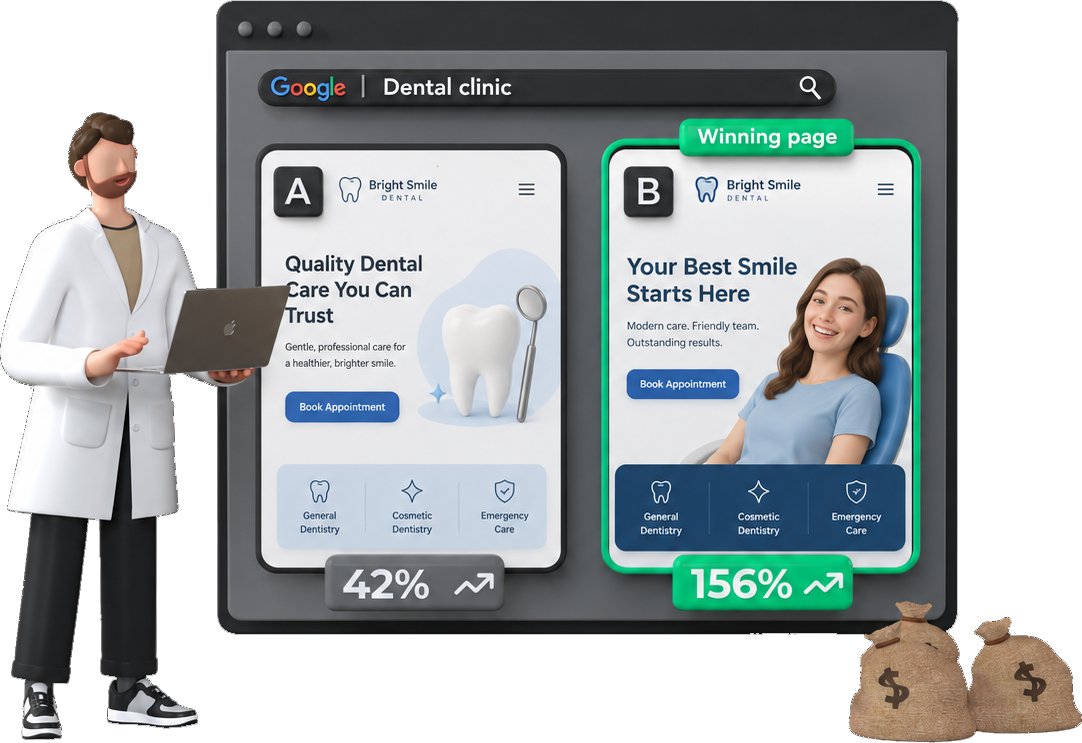
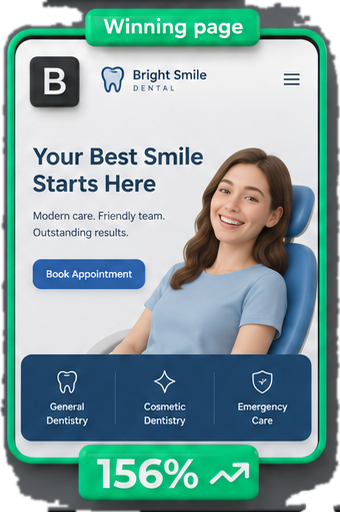
| 5 | Does the page deliver what the ad promises in 3 seconds? | 2x LP improvement equals doubling the budget at the same CPA, free |
Most paid media performance problems get blamed on platform settings. The real cause is usually two or three layers away from where the team is looking. PPC teams routinely spend 90 percent of their time inside the ad platform when the biggest performance levers sit outside it. This framework maps the entire system so you diagnose the right layer before you start fixing things.
Paid media performance is produced by eight layers, and each depends on the ones above it. Layer 1 is Strategy Foundation (offer, audience, unit economics). Layer 2 is Measurement Foundation. Layer 3 is First-Party Data. Layer 4 is Platform Levers (what most people call “PPC”). Layer 5 is the Conversion Engine (landing pages, friction, trust). Layer 6 is Experimentation. Layer 7 is External Context. Layer 8 is Business Outcomes. The critical insight: Layers 1, 2, 3, and 5 sit outside the ad platform, and that is where most performance is actually won or lost. Optimizing a downstream layer while an upstream layer is broken is the single most common waste of time and money in the industry.
Use this when a campaign looks correctly configured but performance is still below target, when the team has already tried “all the platform levers” and nothing moves, or before scaling spend so you do not amplify a problem that lives outside the platform. It is less useful at the very beginning of a new account where Layer 1 fit is still unproven. In that case, validate the offer and unit economics first, then return to this framework once paid search has any baseline at all.
